
Prayer
How Orthodox Christians pray, and how to begin.
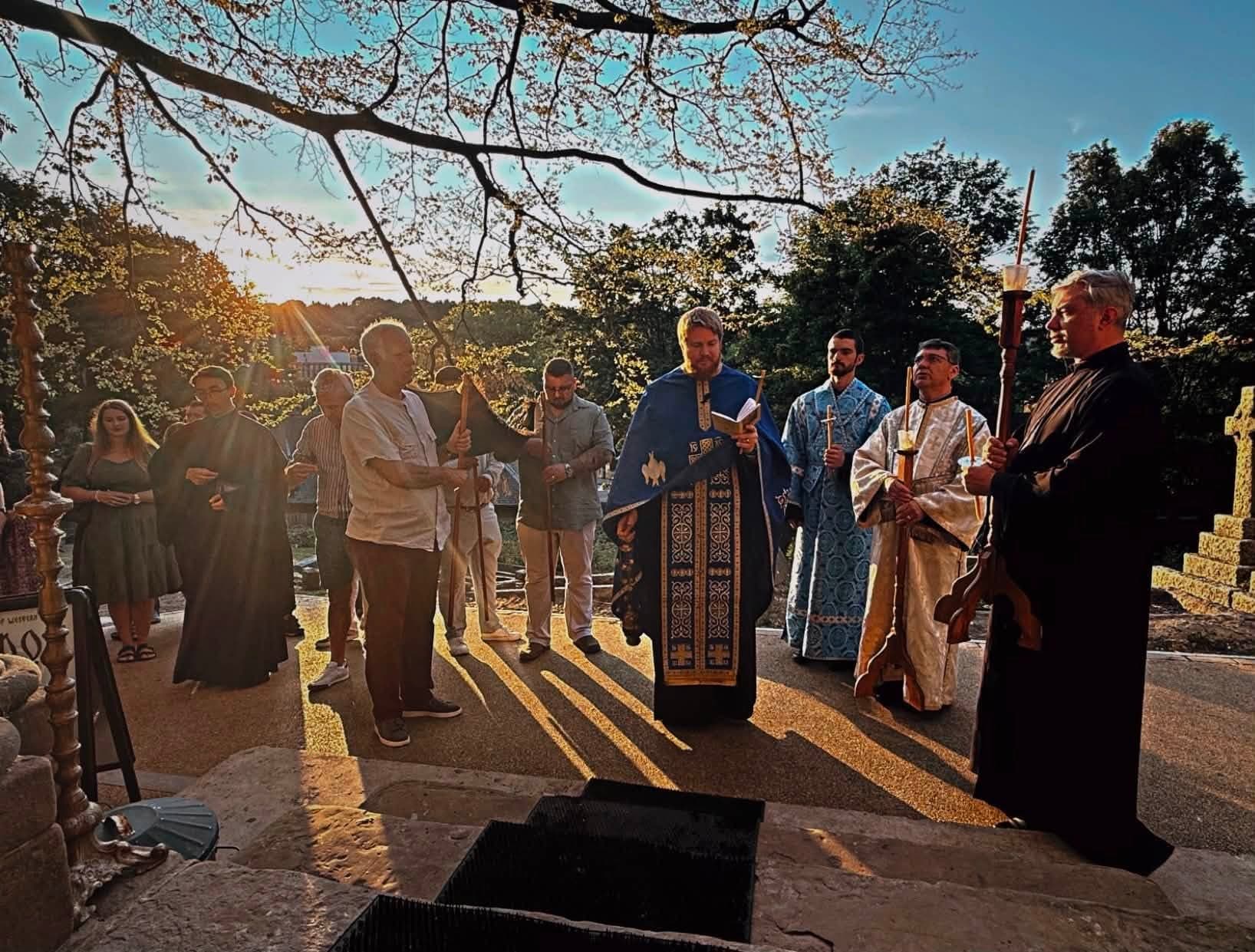
How Orthodox Christians pray, and how to begin.
Prayer in the Orthodox Church
Orthodox prayer is less about feelings than about being faithfully present before God. The tradition gives us words when we have none of our own, set times to say them, and a way of standing before God. Kept steadily over years, this changes a person more than any single moment of inspiration.
At the heart of this tradition is hesychia, an inner stillness in which the mind is gathered and guarded. It is not only for monks; anyone willing to keep a rule can grow into it. Personal prayer and the Church’s services support one another, and neither is complete on its own.
The Jesus Prayer
Lord Jesus Christ, Son of God, have mercy on me, a sinner.
Begin tonight
You need a quiet corner, an icon if you have one, and five minutes. This is what to do, in order.
Face your icon, or east if you have none. Light a candle or a lamp if you can. Standing is the Orthodox posture for prayer; sit if you need to.
Three times, with a small bow each time. It marks the start of prayer as surely as it marks the end.
From your prayer book: O Heavenly King, the Trisagion prayers and the Lord's Prayer. Every Orthodox rule begins with these, so they soon come by heart.
Slowly, on a prayer rope or your fingers: ten times to begin with, thirty-three when it is familiar. Attention will wander. Notice, and return to the words.
The living first, then the departed. A short list, said every day, is the heart of a rule.
The sign of the Cross once more, and a moment of silence before you turn to the day, or to sleep.
Every day
A rule is simply a fixed pattern you keep every day. Start with a length you can honestly manage, and let it grow.
For beginners, or anyone starting again.
These are common patterns, not requirements. The right rule is the one agreed with a priest who knows your circumstances.
The daily pattern
Orthodox prayer follows the day: set prayers in the morning and evening, grace at meals, and the Jesus Prayer in between.
On rising
Before the day begins: light a candle if you have one, stand before an icon, and say the morning prayers from the prayer book.
Length: 5 to 15 minutes
Through the day
Repeated quietly at any point in the day, while walking, waiting or working. A prayer rope helps keep count and keep attention.
Length: Any moment
At meals
A short prayer before eating and thanks afterwards. The Fathers call the home a little church, and this is its simplest service.
Length: A minute
Before sleep
The evening prayers, a brief look back over the day, and forgiveness asked for what went wrong in it.
Length: 5 to 15 minutes
The tradition
The texts
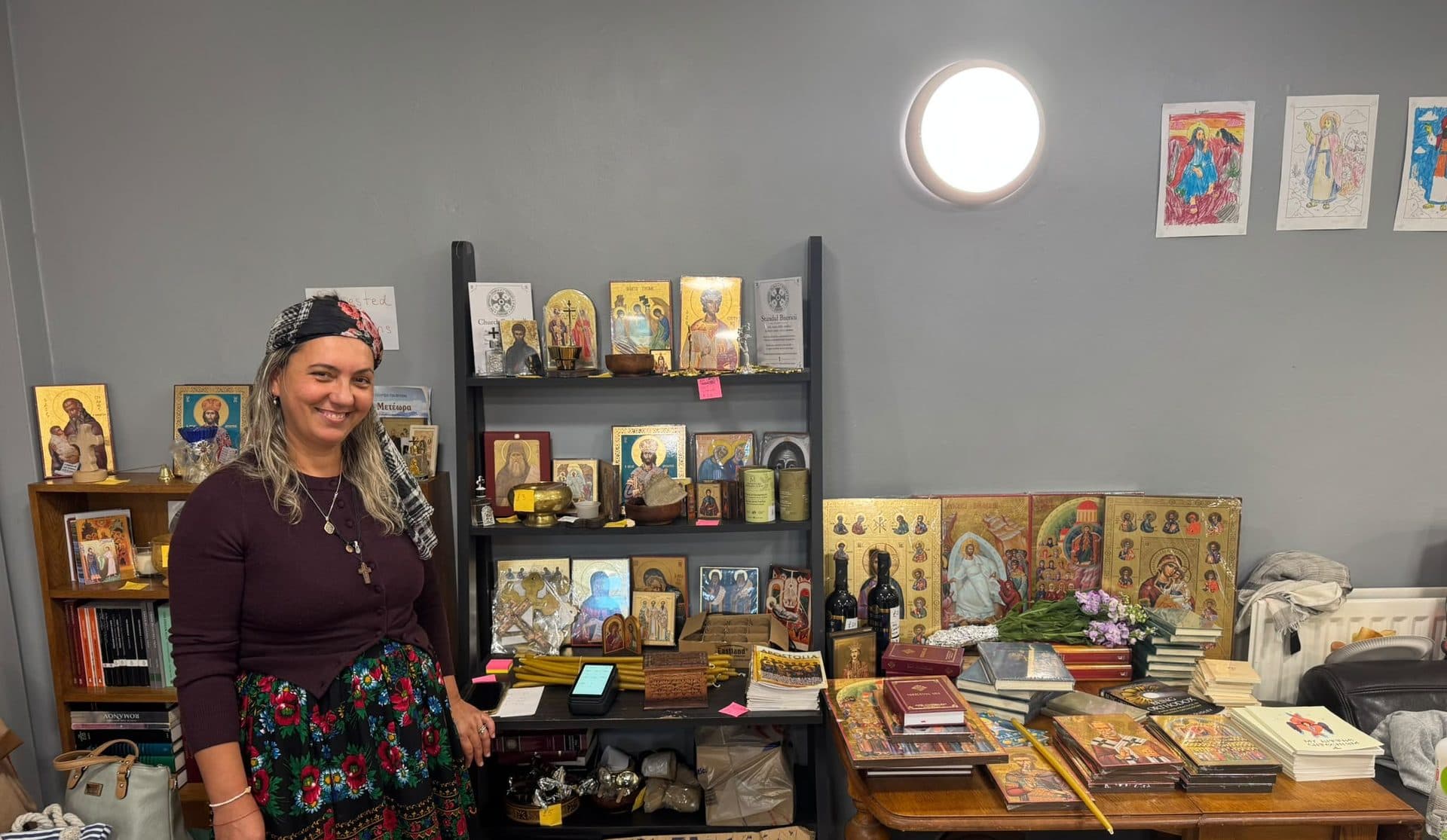
We have not printed the prayers here on purpose: a prayer book in your hands is far better than a screen. The Church Stall next to the church keeps several, and any of the clergy will gladly recommend one on a Sunday, or lend you a copy to start with.
“When you remember God, increase your prayers, so that when you forget Him, He may not forget you.”
St Mark the Ascetic